

Be first to read the latest tech news, Industry Leader's Insights, and CIO interviews of medium and large enterprises exclusively from Retail Tech Insights
A featured contribution from Leadership Perspectives: a curated forum reserved for leaders nominated by our subscribers and vetted by the Retail Tech Insights Advisory Board.

BAM Ventures
Backing the Founders Behind the Next Consumer Brands
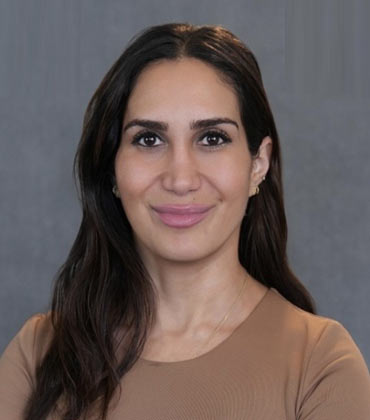
Shamin Walsh
Seeing Beyond the Numbers
I'm an attorney by background, which I think is helpful because you learn not only to take the information as presented, but to also read between the lines and think about what you may be missing. At the earliest stage there's rarely a lot of data, so you are really assessing the "soft" skills, such as whether this founder is the right fit for this business. My undergrad degree was in foreign service and I've lived all over the world and I think that meeting different people, mindsets, psychologies help me understand the level of variety in the consumer and helps prevent me from falling into an echo chamber. Finally, I would say that having focused on one category for so long helps us create pattern recognition because we're not constantly trying to learn a new market from scratch, so I can focus my energy on really leaning into that diligence work.
Assessing the Founder Behind the Opportunity
I look for people who understand their customer at a visceral level and who are honest about what they don't yet know. Great founders know that products don't just sell themselves, so someone who knows how to cut through the noise and create a clear proposition to their customer attracts me more than someone trying to impress with a million bells and whistles. I also look for individuals with self-awareness who know how to build around themselves and attract great talent.
Looking Deeper Through Due Diligence
Similarly to above, diligence is not just about accepting the words on the page at face value but knowing the market ourselves and being able to read between the lines. We invest so early that the numbers aren't often there yet, so we need to know how to investigate the founder and pressure test whether we believe they can execute the way that they want us to believe. On the IP side, I actually believe that in consumer, technical IP is fairly easy to design around, so what I really give weight to is the strength of the brand and its "trade secrets."
“Structure protects the downside; staying useful after the check is what lets the upside play out.”
Taking Calculated Risks While Supporting Growth
Early-stage investing is a business of backing outliers, so the goal isn't to eliminate risk but to take calculated risks. We're deliberate about staying disciplined to our consumer thesis, our fund size and the stage at which we invest to maximize our chance for outsized returns whether a company exits for $300M or $3B. However, once we invest, my job shifts from underwriting to support. Structure protects the downside; staying useful after the check is what lets the upside play out.
Building Consumer Brands That Last
Build something people actually want to come back to. Marketing can buy a first purchase, but retention and word of mouth are what create a real brand — and they're much harder to fake than they used to be. Be disciplined with capital: know your margins, raise for clear milestones and don't let a big round paper over an economic model that doesn't work. And find investors who will still be in the room on the hard days. The best relationships there are partnerships that hold up over the long arc of building the company, well beyond the check itself.
