
Be first to read the latest tech news, Industry Leader's Insights, and CIO interviews of medium and large enterprises exclusively from Retail Tech Insights
Revolutionizing E-Commerce with LTL Freight Integration Solutions
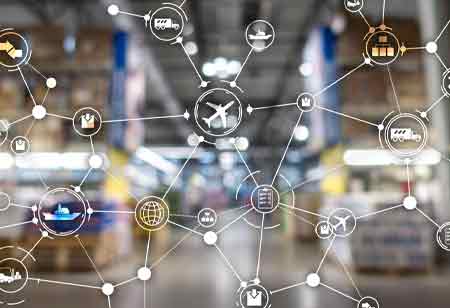
The e-commerce sector has expanded rapidly, which forces companies to find effective logistics solutions that meet their need for dependable and affordable delivery services. The rise in online shopping has created a need for shipping solutions that can handle the challenges of large-scale order fulfillment operations. In this dynamic landscape, Less Than Truckload (LTL) freight integration has emerged as a critical tool for e-commerce businesses that want to satisfy their customers while keeping their operational costs low. Companies can improve their shipping performance through LTL freight solution integration with their e-commerce supply chain, which results in faster deliveries that enhance customer experience.
What Retail Leaders Should Expect From Modern Sales Analytics Software
Retail executives face a persistent challenge that traditional reporting tools rarely resolve: understanding how in-store activity translates into measurable sales outcomes. Most retail dashboards aggregate store traffic counts, point-of-sale transactions and storewide averages, yet these signals often contain environmental noise. Employees, delivery staff and casual visitors are frequently counted alongside genuine shoppers, leaving management teams with directional indicators rather than dependable insight. Retail leaders responsible for scaling performance across multiple locations increasingly recognize that decisions built on questionable signals create hesitation in the field and debate inside management teams.
Optimizing Retail Operations: Harnessing the Power of Intelligent Reporting
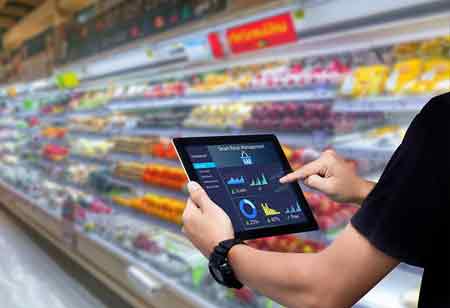
Retail organizations operate in an increasingly complex, fast-evolving commercial landscape defined by omnichannel commerce, shifting consumer expectations, supply chain volatility, and persistent margin pressure. In this environment, retail sales and inventory reporting solutions have developed from back-office accounting tools into enterprise-wide intelligence platforms. These systems consolidate transactional data, inventory movement, procurement records, supplier performance, and financial metrics into centralized, actionable dashboards that modern retailers use to manage thousands of stock-keeping units across multiple stores, warehouses, marketplaces, and digital platforms.
Rethinking Freight Logic for Modern E-Commerce Supply Chains
E-commerce infrastructure was originally designed around parcel delivery. Early platforms assumed that most online transactions would involve items small enough to ship through postal networks or major parcel carriers. Retailers selling apparel, consumer goods or packaged household products could rely on those channels without significant technical adaptation. The landscape has shifted as manufacturers, equipment suppliers and industrial merchants increasingly move sales online. Many of these businesses sell items that exceed parcel limits in size, weight or handling requirements, forcing them into the far more complex environment of less-than-truckload freight.
A Practical Standard for Retail Sales and Inventory Reporting Excellence
Retail leaders and brand executives face a persistent tension between capital discipline and revenue protection. Inventory remains one of the largest balance sheet commitments, yet the tools used to manage it often lag behind the complexity of modern retail. Many mid-market manufacturers and wholesale organizations that supply major chains still rely on spreadsheets to forecast demand and allocate stock. This approach can work at a small scale. But once revenue climbs and distribution expands across national retailers, spreadsheet logic becomes fragile, slow, and exposed to human bias.

ON THE DECK