

Be first to read the latest tech news, Industry Leader's Insights, and CIO interviews of medium and large enterprises exclusively from Retail Tech Insights
A featured contribution from Leadership Perspectives: a curated forum reserved for leaders nominated by our subscribers and vetted by the Retail Tech Insights Advisory Board.

The Solist
Elevating the Luxury Ecommerce Experience
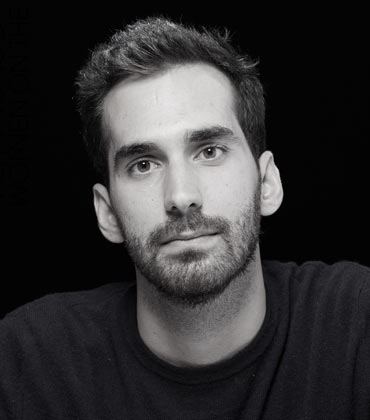
Lucas Zunz
A Journey from Luxury Fashion and Beauty to eCommerce
Working across luxury fashion and beauty, and now jewelry and watches, has taught me that eCommerce is always a balance between art and commerce.
I’ve never really been in the “need” business; I’ve always been in the “want” business. Nobody needs another lipstick, handbag, watch, or piece of jewelry. You have to create desire. That means creative, storytelling, merchandising and brand experience are as important as the tech stack, acquisition strategy, or conversion rate.
That’s why I’ve always loved eCommerce. It sits at the intersection of all these things. You need the right and left brain working together. I can spend part of my day looking at CAC, ROAS, conversion and retention, and another part thinking about photography, content, assortment, or how a customer should feel when they discover something.
Luxury teaches you to be incredibly customer-centric because the customer is discerning and has endless options. You have to put yourself in their shoes: Do I trust this company? Do I understand why this product is special? Does the imagery make me want it? Can I easily speak to someone? Does the experience feel worthy of what I’m buying?
That mindset shapes how I approach growth. You can’t separate performance from brand, merchandising, service, or creative. Great luxury eCommerce is ultimately about creating desire while removing friction. It’s about building a world people want to be part of, earning their trust, and making discovery and purchase feel as special as the product itself.
Balancing Brand Identity, Digital Merchandising and Conversion
I don’t think brand identity, merchandising and conversion should work against each other. In luxury, an elevated experience can also build the confidence needed to purchase.
First, you need a high level of service. Digital shouldn’t mean anonymous. Concierge services, personalized recommendations, appointments and easy access to knowledgeable people can make a major difference, especially for higher-ticket purchases.
I also believe in having a true merchant who understands the product and has taste. Technology and AI matter, but someone still needs to know what belongs together, what customers respond to and how to turn thousands of products into an exciting, relevant edit.
Trust signals are equally important. Provenance, authenticity, condition, warranties, returns, reviews, detailed information, photography, video and on-figure imagery reduce uncertainty when purchasing luxury online.
Personalization matters too. Understanding customers beyond purchase history-what they love, collect, celebrate, or seek next-makes merchandising, marketing and clienteling more relevant.
AI can become extremely valuable here if properly trained. The goal shouldn’t simply be automation, but technology that helps a digital business behave like a great luxury salesperson-understanding preferences, remembering what matters and guiding discovery.
“Great luxury eCommerce is ultimately about creating desire while removing friction. It’s about building a world people want to be part of, earning their trust and making discovery and purchase feel as special as the product itself.”
Ultimately, luxury eCommerce should create a world, not just a transaction. Great merchandising, service, trust, storytelling and personalization make conversion part of the experience rather than something you have to force.
Customer Data and Performance Insights in Growth Marketing and eCommerce
I look at data in three ways: immediate performance, long-term customer value and overall awareness. You need all three because one metric alone can distort what is driving growth.
First is performance, as in ROAS, CAC, conversion rate, AOV, contribution margin and channel performance, to understand where to invest, pull back or address customer journey issues.
Then I look at LTV. In luxury, the first transaction isn’t the whole story. A higher acquisition cost may be worthwhile if the customer returns, spends more or develops a relationship with concierge services. I care about the quality of customers, not just acquisition cost.
I also want to understand customer behavior: what they love, collect, browse and may want next. These insights inform merchandising, segmentation, email, media and clienteling.
Finally, awareness is harder to attribute because luxury journeys are rarely linear. I combine performance data with customer feedback, behavior and merchant intuition. Data is critical, but it should support-not replace-judgment.
What DTC Brand Launches Teach About Building Strong Digital Experiences
The biggest lesson for me is that you only get one chance to impress. Whether your audience is a customer, editor, influencer, investor or partner, there are many options. From the first interaction, there needs to be a clear point of view and a reason to pay attention.
You don’t need an enormous budget or perfection, but the product, positioning, creative, photography, website, packaging and customer experience should feel like they belong to the same world. Especially in luxury, you’re creating a want rather than fulfilling a need.
It has also taught me to consider the entire customer journey: how people discover you, what they understand immediately, what builds confidence and what brings them back.
One mistake DTC brands can make is investing heavily in acquisition before the experience is ready. Sometimes, better photography, positioning, merchandising, education or service creates greater growth.
Ultimately, building a strong DTC experience means having a clear vision, creating a world people want to enter and staying curious enough to keep improving it.
The Evolution of Luxury Resale
We’re moving toward a world where the line between primary and secondary luxury becomes less defined. Resale offers brands opportunities to reach new customers, participate in circularity, extend product life and gain valuable insights into changing demand.
For customers, the biggest evolution is trust. Authentication, transparency, condition, provenance and service are becoming increasingly important, making pre-owned luxury feel closer to the traditional luxury experience.
That’s what we’re building at The Solist, which is access and value without compromising on experience, expertise, trust or presentation. Customers can discover rare, archival, out-of-collection and pre-owned pieces while understanding exactly what they’re buying.
Ultimately, resale will become an integrated part of the luxury ecosystem, where finding the right piece matters more than whether it is new or pre-owned.
