

Be first to read the latest tech news, Industry Leader's Insights, and CIO interviews of medium and large enterprises exclusively from Retail Tech Insights
A featured contribution from Leadership Perspectives: a curated forum reserved for leaders nominated by our subscribers and vetted by the Retail Tech Insights Advisory Board.

Saatva
Conscious Leadership: Building More Accountable Teams
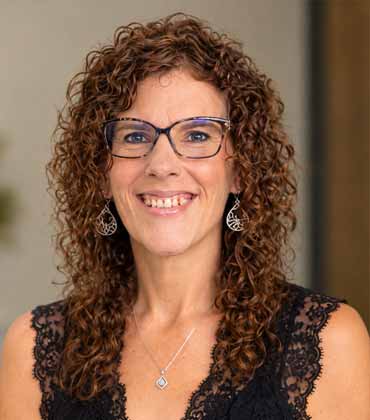
Kat Maerz
Leadership is often defined by the decisions we make, the results we deliver and the people we lead. But some of the most important leadership lessons happen when things go wrong.
One principle I have adopted with my teams is simple: don’t bring me a problem without bringing me a solution.
That doesn’t mean I expect my employees to have every answer. It means I want them to think beyond identifying what went wrong and start thinking about what they can do about it. I want people to come to me with, “Here’s what happened, here’s what I believe caused it and here’s what I recommend we do next.”
That approach creates accountability without creating fear.
Moving from Blame to Learning
One of the concepts that has influenced my leadership philosophy is The 15 Commitments of Conscious Leadership by Diana Chapman, Jim Dethmer and Kaley Klemp. The framework emphasizes taking responsibility, remaining curious, speaking candidly and looking for solutions rather than getting caught in blame. The authors describe this as moving from a “to me” mindset where circumstances are happening to us to a “by me” mindset, where we recognize our ability to respond and create change.
I have applied that philosophy through a zero-blame process when mistakes occur.
When something goes wrong, the first question isn’t, “Who did this?”
Instead, we ask:
What happened? What can we learn from it? What can we change so it doesn’t happen again?
This distinction matters. If employees believe every mistake will result in someone being blamed, they will naturally become more focused on protecting themselves than solving the problem. People may hide mistakes, minimize their involvement or spend valuable time explaining why something wasn’t their fault.
A zero-blame environment creates room for something much more productive: learning.
Accountability Still Matters
Zero blame does not mean zero accountability.
There is an important difference between a mistake and a pattern of behavior.
"The goal isn’t to push responsibility downward; it is to develop people who are capable of taking ownership upward."
If someone makes a mistake, we examine the process, understand what happened and identify how we can improve. But if the same employee continues making similar mistakes after expectations have been clearly communicated and coaching has occurred, the conversation changes.
That’s when conscious leadership requires direct, targeted conversations.
Rather than criticizing the person, I focus on the behavior, the impact and the expectation going forward. I might ask, “We’ve talked about this before. What is getting in the way of doing this differently?” That question gives the employee an opportunity to identify the barrier while making it clear that the behavior needs to change.
This is where accountability and empathy can exist together. A leader can be supportive without lowering the standard.
Teaching People to Be the Resolution
One of the commitments in the conscious leadership framework is being the resolution, looking at what is needed and considering how we can help create that solution.
That idea closely reflects how I want my teams to operate.
I don’t want employees waiting for their manager to solve every problem. I want them to develop the confidence and judgment to solve problems themselves.
When someone comes to me with a challenge, my first response may be, “What do you think we should do?”
Sometimes they already have the answer. Sometimes they need help thinking through the options. And sometimes the situation genuinely requires my involvement. The goal isn’t to push responsibility downward; it is to develop people who are capable of taking ownership upward.
Over time, this changes the leader's role. Instead of being the person who solves every problem, I become the person who helps develop people who can solve problems.
Building a Culture of Ownership
Conscious leadership isn’t about being a perfect leader or creating a workplace where mistakes never happen. It is about creating an environment where people can acknowledge reality, learn from what happened, take responsibility for their part and move forward.
The strongest teams I have worked with aren’t the teams that make the fewest mistakes. They are the teams that learn the fastest from them.
When employees know they will not be punished simply for bringing a problem forward, they are more likely to surface issues early. When they are expected to think through solutions, they become more invested in the outcome. And when leaders are willing to have honest conversations when patterns emerge, accountability becomes part of the culture rather than something reserved for performance reviews.
For me, conscious leadership comes down to creating that balance: give people enough safety to tell you the truth, enough ownership to solve problems and enough accountability to grow.
That is how you build teams that don’t simply wait for leadership.
You build teams that lead.
